
News and Insights for Psychiatric Pharmacists
Public Health
Protect people. Protect communities. #choosepsychpharmacy #pharmd #psychpharm #AAPP

BCPP Exam Prep: Developing Effective Test-Taking Skills
This 2-hour webinar focuses on developing appropriate techniques for answering standardized questions more accurately, identifying common issues in testing that may be hurting your performance, and analyzing your testing performance to improve accuracy, pacing, and endurance. Level up your test-taking skills!

National Council Releases White Paper on Peer Support in Schizophrenia Care
This white paper offers practical recommendations for health care leaders, policymakers, peer support programs, and individuals and families, and covers workforce development, program infrastructure, outreach, outcome measurement and policy reform.
Will You Help Shape the AI Strategy at AAPP?
AAPP is exploring the impact of AI on the role of psychiatric pharmacists. To better understand the various perspectives, we will meet in Zoom on April 7 with members holding the opinions that (1) AI is an opportunity for BCPPs to lead, (2) AI will have minimal impact on patient care by BCPPs, and (3) AI is an existential threat to the specialty. Regardless of whether AI is being implemented at your site, we would appreciate hearing from you about why you believe one of those options is more likely than the others. There is no application process - just sign up for the group you agree with!
Galvanizing Rural Opioid Response Efforts with Rural Health Transformation Program Dollars
Lessons from 10 FORE Grantees that have expanded access to prevention, treatment, and recovery supports in rural communities.
U.S. Behavioral Health Treatment Engagement Trends
This Recovery Research Institute summary highlights a cross-sectional analysis of National Survey on Drug Use and Health data showing.
Cannabis and Mental Health: A Review
The current evidence base is not sufficient to support the use of cannabis for the treatment of mental health conditions and demonstrates substantial risks of adverse effects.
Private Equity Acquisition and Buprenorphine Prescribing
In this study, the volume of patients treated with buprenorphine increased after private equity acquisition, with minimal changes in the payer mix among these patients.
Child poisoning cases rise as nicotine pouches flood stores
The colorful packaging and fruity flavors that make nicotine pouches appealing to adults also make them tempting — and dangerous — for kids.

Office for Civil Rights Announces Program to Protect SUD Patient Confidentiality
The Department of Health and Human Services Office for Civil Rights announced a new civil enforcement program to protect the confidentiality of SUD records for individuals under 42 CFR Part 2. This initiative allows for resolution agreements, monetary settlements, and corrective action plans aligned with HIPAA enforcement standards to address noncompliance and breach notifications.
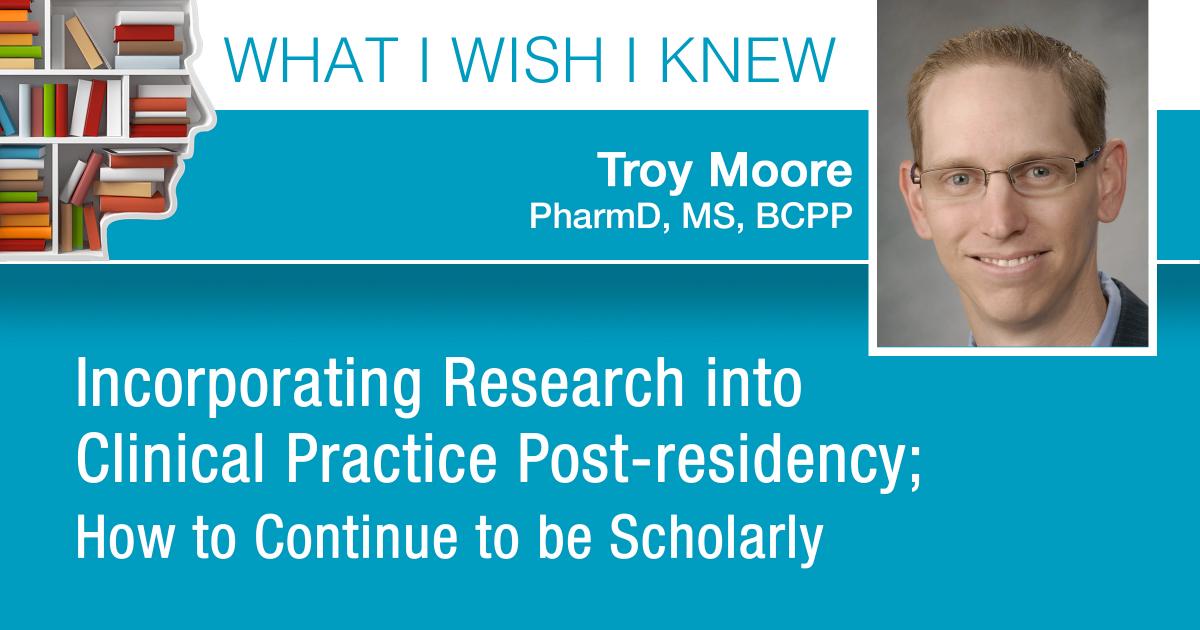
What I Wish I Knew - Incorporating Research into Clinical Practice Post-residency; How to Continue to be Scholarly
Dr. Troy Moore, PharmD, MS, BCPP, discusses how to incorporate research into clinical practice post-residency.
AAPP Supports POINTS Act Addressing Gambling Addiction Crisis
AAPP joined 39 other organizations in supporting the POINTS Act. This Act addresses the gambling addiction crisis by allocating federal funding into a competitive, discretionary grant program under the Substance Abuse and Mental Health Services Administration (SAMHSA). The grant program will support States and Tribal entities in their efforts to establish, improve, or expand programs to prevent, screen, intervene and treat problem gambling and gambling addiction in the U.S. Utilizing 1/3rd of the existing federal excise tax on wagers paid by the gambling industry, the grant program will prioritize those populations most vulnerable to gambling addiction, including men, youth, Native Americans, servicemembers, and veterans. The POINTS Act allows funding for both community and statewide prevention, intervention, and treatment activities including providing specialized outpatient treatment, peer-support, awareness, and other evidence-based interventions to help those in need.

2026 NAMI-Ipsos Workplace Mental Health Survey Results
Burnout continues to affect a large portion of the workforce, impacting well-being, job satisfaction, and day-to-day life at work. The 2026 NAMI Workplace Mental Health Poll highlights how common these experiences are—and why support matters. The data also points to what employees say could help, including more access to mental health resources and training around stress and burnout.
Methylphenidate Treatment and Risk of Psychotic Disorder
A large, new study found that the stimulant methylphenidate, such as the drugs Ritalin and Concerta, may lower the risk of psychosis when prescribed to younger children with ADHD.
Shifts in Antipsychotic Prescribing by Clinician Type for Medicare Part D Beneficiaries, 2013-2023
A growing proportion of antipsychotic prescriptions for older adults were written by nonphysician clinicians, reflecting shifts in the mental health care workforce and prescribing practices, cross-sectional data showed. From 2013 to 2023, antipsychotic prescription claims for Medicare Part D beneficiaries written by psychiatrists and primary care physicians (PCPs) declined annually by 3.2% and 2.6%, respectively (P<0.001 for both). Prescriptions from advanced practice registered nurses (APRNs) and physician assistants (PAs), however, rose by 11.8% (P<0.001) each year, reported researchers.
Millions Could Lose Medicaid Coverage Due to New Rules
Between 4.9 and 10.1 million people could lose Medicaid coverage in 2028 as the result of new work requirements and more frequent eligibility checks.
AAPP Urges Revisions to Legislation Further Restricting Access to Methadone
AAPP joined the American Society of Addiction Medicine, ASHP, and other healthcare associations in a letter to Representative Houchin encouraging revisions to H.R. 5629 which would increase overdoses and reduce access to evidence-based OUD care, especially in rural areas. We argue that, if enacted as currently drafted, the bill would result in more opioid overdoses, because fewer people would get methadone treatment for OUD, with no improvement in safety for our communities.
Complementary services improve recovery outcomes among college students with alcohol or other drug related use disorders
These findings emphasize the role of social support and integrated treatment in fostering recovery and inform the design of individualized university recovery programs.
Severity of Polysubstance Use Among Young People Seeking Drug and Alcohol Treatment, and Social and Mental Health Correlates: An Observational Study
PolySU was pervasive among young people entering AOD treatment.
Extended-Release vs Sublingual Buprenorphine in Pregnancy Through 12 Months Post Partum: A Randomized Clinical Trial
The primary and key secondary outcomes were illicit opioid abstinence during pregnancy and the postpartum period, respectively, defined as the proportion of weekly collected urine samples negative for illicit opioids.
Celebrating each success: proportion of remission as a measure of recovery from polysubstance use disorder proportion of remission; a recovery measure
Results indicate the potential of PrR to capture gradual improvements in quality of life and reflect recovery progress.
Detecting Suicidality in Opioid Use Disorder Requires an Understanding of Intentional Opioid Overdose
This commentary discusses how a sensitive and validated assessment is crucially needed to identify those at risk for intentional opioid overdose.
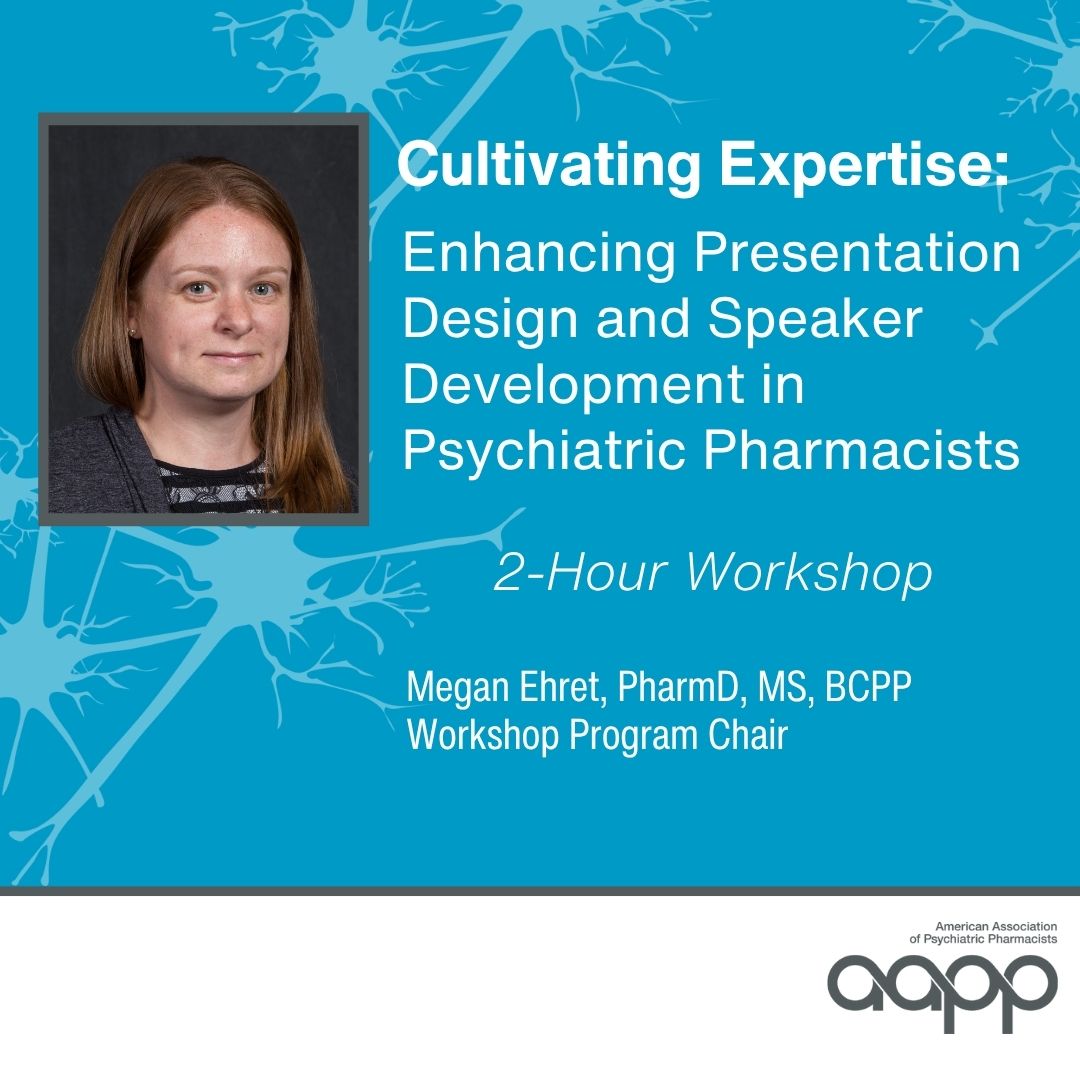
Home Study Workshop! Presentation Design and Speaker Development
Through expert guidance, participants will refine their presentation skills and learn how to captivate audiences. This 2-hour program with ACPE credit provides a unique opportunity to gain practical tools to elevate speaking abilities, enhance your expertise and confidence, and make you a standout voice in the field of psychiatric pharmacy. Don't miss this opportunity to learn!

AAPP Pharmacist Toolkit: Harm Reduction Strategies for People Who Inject Drugs
Toolkit on harm reduction provides tips and guideline summaries in the following areas: consequences of injection drug use, harm reduction services, activities, policies, stigma, potential barriers, professional/policy support, resources, and data sources.
Monday Showcase and Lunch
Join us for an industry showcase: Managing Depressive, Acute Manic & Mixed Episodes associated with Bipolar I Disorder In Adults, supported by AbbVie. Registration is free and open to the public!

Free Workshop: Elevate Your Speaking Skills!
AAPP and the AAPP Foundation are pleased to be offering a complimentary, 2-hour workshop: Cultivating Expertise: Enhancing Presentation Design and Speaker Development in Psychiatric Pharmacists. Earn ACPE credit and make yourself a standout voice in the field of psychiatric pharmacy!
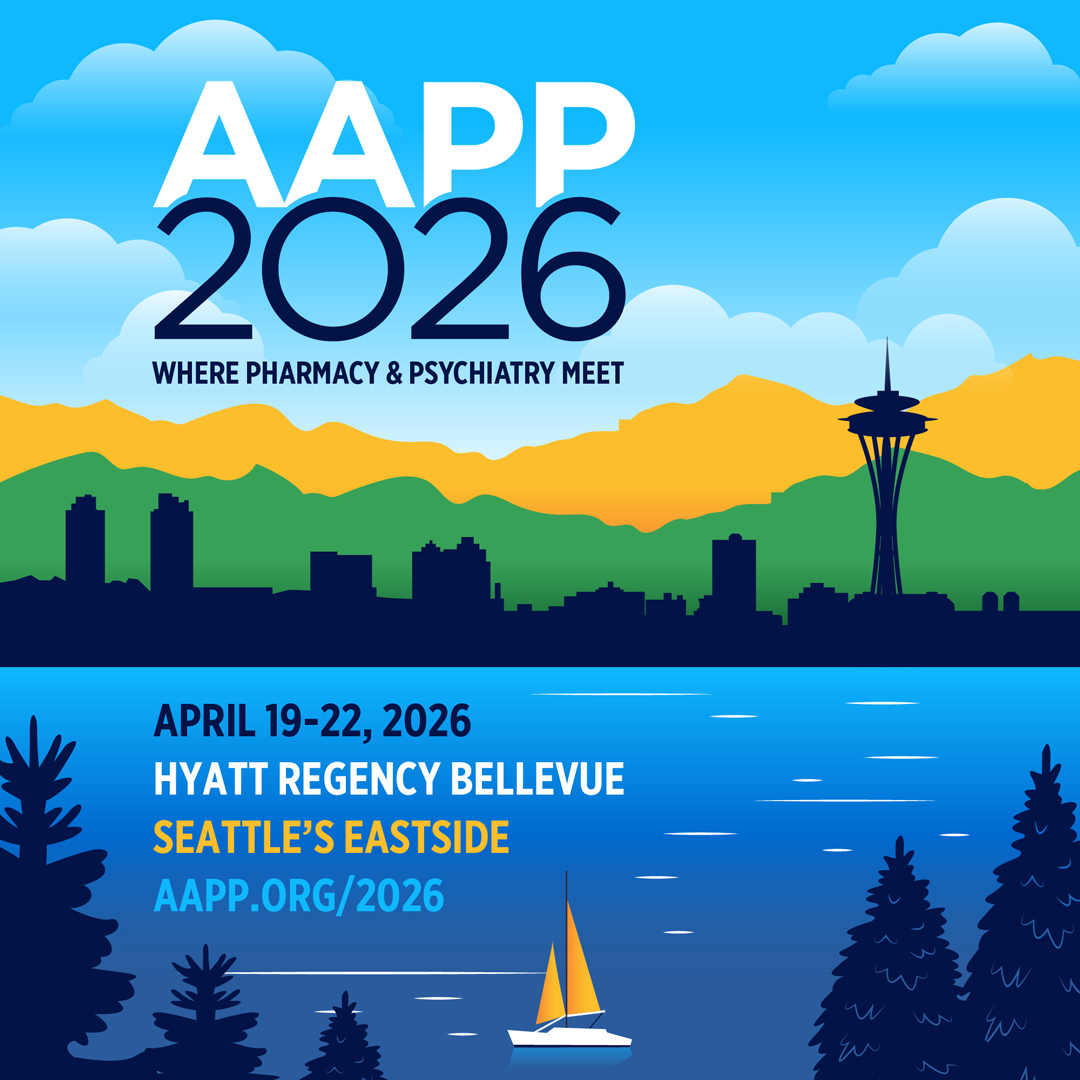
Virtual Registration is Still Open for AAPP 2026!
If you're unable to travel to Seattle for the Annual Meeting, join us virtually to participate in live sessions! Virtual attendees can ask questions and participate during sessions, and all registrants will receive session recordings for all CE sessions. Plan to attend and stay up to date on your education!
Quality of Life
Better days start here. #choosepsychpharmacy #pharmd #psychpharm #AAPP
Navigating the Peer Review Process: A Guide for New Reviewers
Improve your peer review skills! Discover the components to evaluate, the role of the peer reviewer, the skills necessary to critically evaluate a manuscript, and how to provide feedback to authors and journal editors.
Tuesday Showcase and Breakfast
Join us for an industry showcase: Challenges in Achieving Symptom Control in Major Depressive Disorder: Considering Adjunctive Treatment Options, supported by Johnson & Johnson. Registration is free and open to the public!

Tobacco Cessation Funding Policy Recommendations Issued by AAPP
AAPP supports the funding of federal programs directed toward tobacco cessation and outlines specific policy recommendations as to the federal funding programs critical to maintain for individuals living with mental health and/or substance use disorders.
Pharmacy-based Vaccine Access Work Group Survey Invite
AAPP is a member of a pharmacy‑based vaccine access work group composed of national pharmacy organizations. The work group is conducting a survey to gather insights into vaccination practices since June 2025. Feedback will support pharmacy organizations in their advocacy and education efforts. If applicable to your practice, please complete the survey, available through March 31, 2026.

Practice Settings
Pharmacists play a variety of roles in academia: as administrators (e.g., deans, department chairs, etc.), educators, clinical practitioners, and researchers. Often a faculty member plays more than one role, depending on their track (non-tenure versus tenure) and department (pharmaceutical sciences versus pharmacy practice).
Mechanisms Underlying Hazardous Alcohol Use After Mild Traumatic Brain Injury
This review discusses mechanisms that contribute to negative outcomes after mTBI and hazardous alcohol use and to the development of AUD after mTBI.

BPS Accepting Applications for 2027 Ambassador Roles
The Board of Pharmacy Specialties (BPS) is now accepting applications for the 2027 BPS Ambassador Program. Board-certified pharmacists interested can apply until June 12, 2026.

Antipsychotic Monitoring Policy Brief Now Available
AAPP supports access to evidence-based monitoring for youth prescribed antipsychotics and updates to child and adolescent psychotropic prescribing regulations.
AAPP Joins Organizations in Support of Funding for CDC's Tobacco Prevention & Cessation Programs in FY27 Appropriations Bills
AAPP joined over 80 organizations in writing letters of support to the House and Senate urging for continued funding for tobacco cessation and prevention at the CDC. These letters align with AAPP's policy ask document on federal tobacco funding.
The Future of DSM: Role of Candidate Biomarkers and Biological Factors
As part of the planning for the future of DSM, the Biomarkers and Biological Factors Subcommittee of the Future DSM Strategic Committee was empaneled to begin to bridge the gap between psychiatry and neuroscience and move DSM toward a psychiatric nosological system informed by objective measures.
Tobacco Product Use among U.S. Adults, 2023–2024
Survey data suggest that prevalence of cigarette smoking among U.S. adults declined 2023 to 2024.
Monday Showcase and Break
Join us for an industry showcase: The Role of UZEDY in Schizophrenia Treatment: A Clinical Perspective, supported by Teva Pharmaceuticals. Registration is free and open to the public!
Teamwork
Mental health = team sport. #choosepsychpharmacy #pharmd #psychpharm #AAPP
AMERSA's Call for Abstracts, Workshops and Scholarship Awards
AMERSA’s 50th Anniversary conference is in Washington, D.C. November 12-14, 2026. The deadline for abstract and workshop submissions is April 1 and the deadline for scholarship awards is May 1. More information and submission links can be found on AMERSA's 2026 conference website.

President’s Blog: AAPP’s Strategic Plan and the Future of Work
AAPP President Jolene Bostwick talks about the future and our new strategic plan.
Overdose Prevention Centers and Neighborhood Commercial Activity in New York City
This cohort study found that OPC opening was not associated with significant changes in local economic activity.
Partnership for Part D Access Letter Opposing GUARD Model
As a member of the Partnership for Part D Coalition, AAPP supported a letter to CMS in opposition to the GUARD model. Opposition centers around the anticipated weaking of the 6 protected classes protections through its proposed Medicare drug pricing changes, which could lead to worsening patient health outcomes and increased costs.
Digital Media Use and Child Health and Development
A meta-analysis of children and teens found social media use was tied to higher rates of depression, behavioral problems, self-injury, and substance use. (JAMA Pediatrics)
Projecting and valuing climate change impacts on anxiety and depression in the contiguous USA: a damage function approach
Rising temperatures could trigger over a billion additional "symptom-days" of anxiety and depression annually in the U.S., researchers projected. (Lancet Planetary Health)
Sex differences in familial risk and genetic components of suicide attempts: a register-based cohort study in Sweden
Genetics play a role in risk of suicide attempt but do not fully explain the sex differences in incidence, a Swedish cohort study found. (BMJ Mental Health)
NAMI Ask the Expert Presents: An Overview of Catatonia
On March 19 from 4:00-5:30 PM ET NAMI will host this presentation to provide an overview of catatonia and discuss the various potential causes of catatonia, as well as the many different ways in which the syndrome may manifest.
Tobacco Product Use among U.S. Adults, 2023–2024
Data suggest that prevalence of cigarette smoking among U.S. adults declined from 10.8% of the population in 2023 to 9.9% in 2024.